
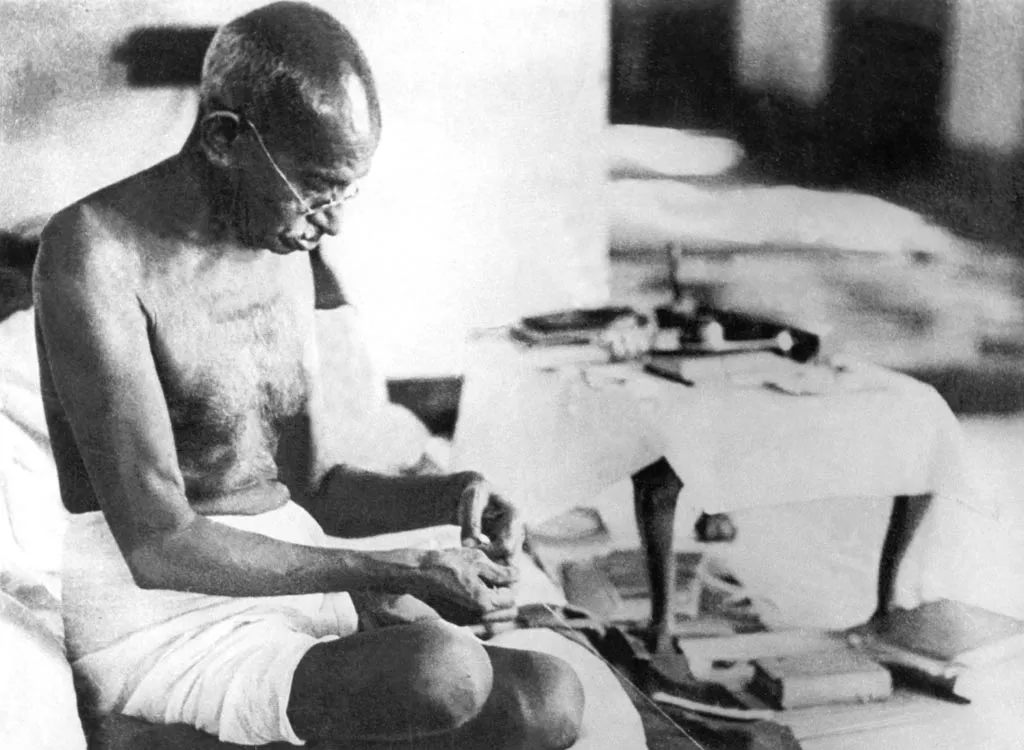
Simple living history stretches across centuries, reflecting a continuous human desire to find fulfillment through minimalism and reduced consumption rather than endless material accumulation. Throughout different eras, philosophers, spiritual leaders, and social critics have championed the virtues of cutting back on possessions and depending less on complex technologies.
Ancient religious and spiritual traditions heavily shaped early practices of simplicity. From the Sramana traditions of ancient India to the foundational teachings of Lao Tzu and Gautama Buddha, detachment from excessive desire was viewed as the ultimate path to inner peace and clarity.
Related Stories

Get the Latest Sports News from Seymour's Bird
Receive the latest updates on football, basketball,and technology news directly in your inbox. It's free!
SubscribeFigures like Jesus Christ and various monastic leaders further embedded the ethos of modest living into Western consciousness, emphasizing spiritual wealth over material riches. Over time, these religious tenets laid the groundwork for later philosophical frameworks centered around personal freedom and frugality.
During the Enlightenment and the Industrial Revolution, thinkers such as Jean-Jacques Rousseau and Henry David Thoreau modernized the concept, turning it into a secular critique of industrial society. Thoreau's iconic experiment at Walden Pond remains a cornerstone for modern environmentalists and individuals seeking refuge from hectic consumer-driven lifestyles.
Modern Evolution and Philosophy of Simple Living
Modern simple living movements have adapted these historical principles to address contemporary environmental and economic challenges, urging society to rethink the dogma that bigger is always better. Economists and sociologists like Thorstein Veblen and E.F. Schumacher warned against the dangers of conspicuous consumption long before modern sustainability became a mainstream concern.
Contemporary practitioners adopt various strategies to minimize their footprint, ranging from the tiny house movement and the 100-thing challenge to full self-sufficiency through urban gardening and localized food consumption. These practical steps help individuals lower personal debt, reduce stress, and achieve true financial independence.
Views on technology remain diverse within the movement, with some adherents cautiously embracing appropriate technology while neo-Luddites advocate for a complete withdrawal from digital dependence. Despite these varying approaches, the core objective remains centered on reclaiming personal time and fostering a deeper connection with nature.
Ultimately, the enduring appeal of simple living lies in its flexibility, allowing anyone from rural homesteaders to city dwellers to redefine success on their own terms. By prioritizing experiences and community over material wealth, participants continue to build a resilient counterculture against modern materialism.