
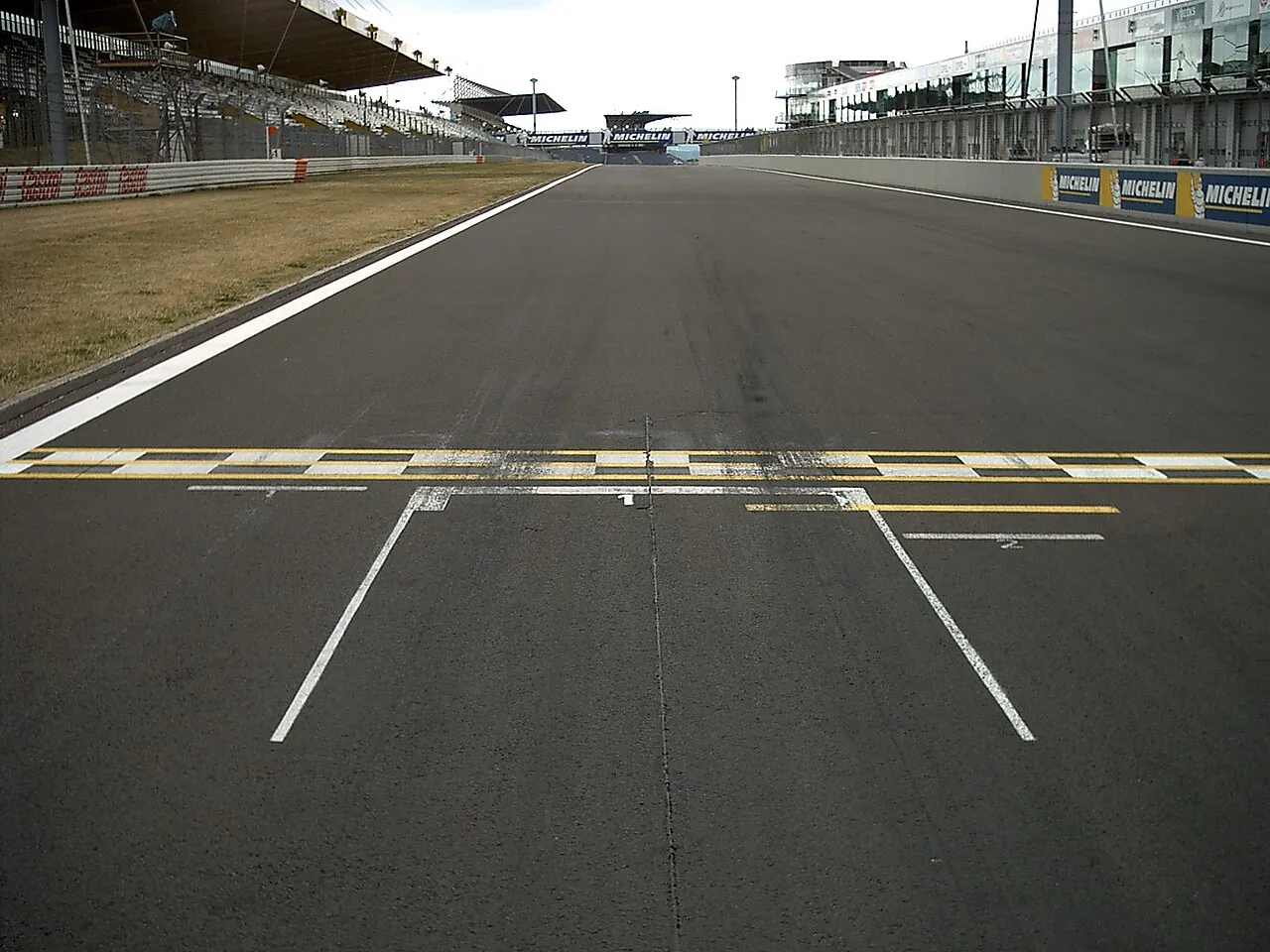
Pole position is the best position on the track at the start of a motorsport race, meaning the participant starts from first place. As having pole position is extremely advantageous in most forms of motorsport, the spot is usually earned by a driver via competitive methods such as timed trials that determine the starting grid order.
The term has its origins in horse racing, in which the fastest qualifying horse would be placed on the inside part of the course next to the pole marking the start line. Today, grid position is typically determined by a qualifying session before the race, where participants compete to secure the number one slot.
Related Stories

Get the Latest Sports News from Seymour's Bird
Receive the latest updates on football, basketball,and technology news directly in your inbox. It's free!
SubscribeDifferent sanctioning bodies in motorsport employ varied qualifying formats to designate the polesitter. While traditional formats relied on pure speed and low-fuel runs, some series incorporate inverted grids or multi-stage knockout sessions to enhance entertainment value and stimulate passing on the track.
Major racing series maintain unique procedures for establishing their starting orders. From Formula One's modern knockout sessions to IndyCar's distinct approaches for ovals and street circuits, and NASCAR's timed trials, the race for the top grid spot remains a core element of motorsport strategy.
Evolution of Qualifying in Formula One
Originally in Grand Prix racing, grid positions including pole were determined by a simple lottery among drivers before the introduction of qualifying times at the 1933 Monaco Grand Prix. Since then, governing bodies have introduced numerous systems to maximize the spectacle for viewers.
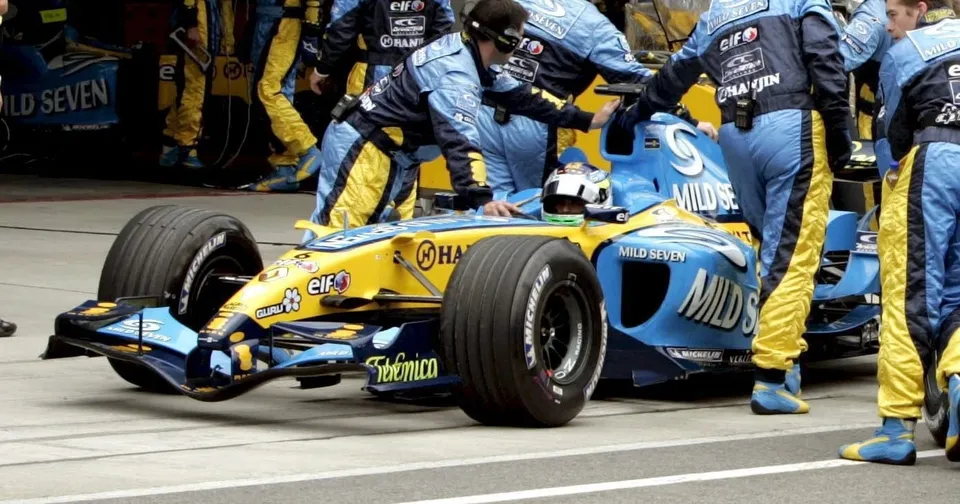
Between 1996 and 2006, significant rule changes altered qualifying procedures repeatedly. The era of race-fuel qualifying between 2003 and 2009 temporarily shifted dynamics, requiring drivers to complete fast laps using the exact fuel load they would start the race with the next day.
The subsequent ban on mid-race refueling brought back traditional low-fuel qualifying sessions. Modern Formula One formats utilize a multi-stage knockout system where the slowest drivers are eliminated in successive rounds, leaving the top ten contenders to battle for the prestigious spot.
Recognizing excellence in single-lap pace, governing bodies have historically honored the driver with the most pole positions over a season. These accolades highlight the ultimate test of raw speed and precision required to conquer Saturday sessions before Sunday's main event.