
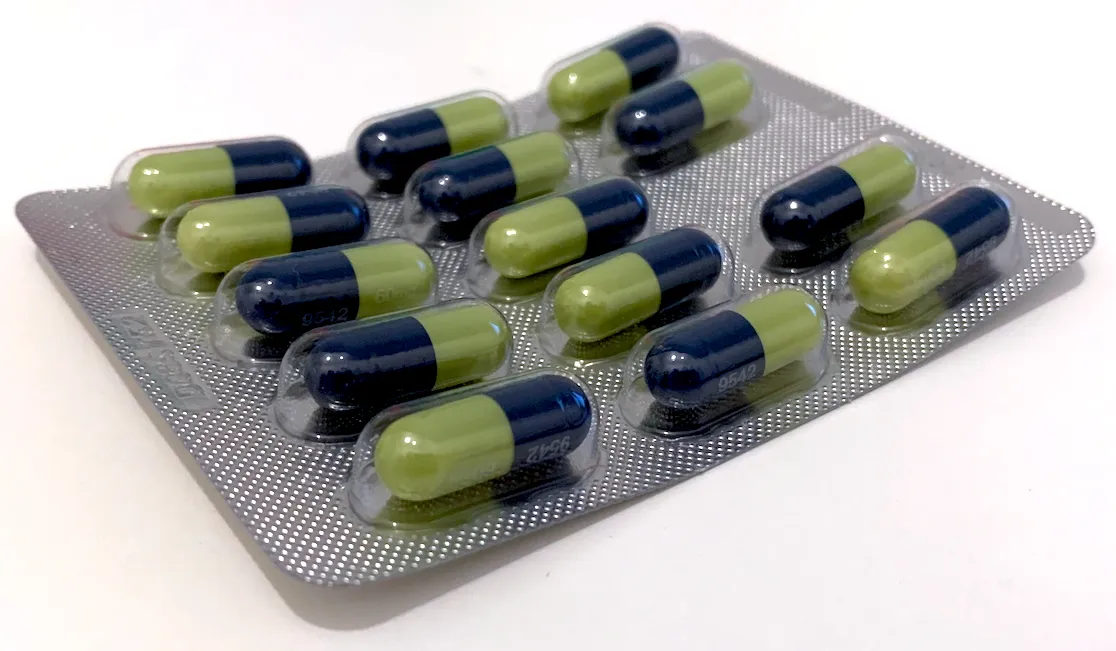
Blister packs have evolved into a critical packaging solution across global industries, providing vital protection for small consumer goods, foods, and pharmaceuticals against humidity, contamination, and UV degradation. Utilizing pre-formed thermoformed plastic cavities sealed with paperboard, aluminum foil, or plastic lidding, these containers safeguard product integrity and extend shelf life significantly.
The manufacturing process typically involves thermoforming or cold forming, where plastic films or aluminum-based laminates are pressed into specific molds using advanced heat and pressure techniques. While thermoforming allows for high transparency and compact design, cold forming utilizes aluminum to create an near-complete barrier against water and oxygen for sensitive medicinal products.
Related Stories

Get the Latest Sports News from Seymour's Bird
Receive the latest updates on football, basketball,and technology news directly in your inbox. It's free!
SubscribeIn the pharmaceutical sector, unit-dose blister packaging ensures individual dose integrity and compliance tracking through calendar printing, distinguishing it from bulk storage methods. Meanwhile, carded packaging and hinged clamshell designs protect retail items like toys and electronics while offering visual transparency and tamper resistance.
Modern advancements in packaging technology have introduced multi-layer films combining polyvinyl chloride with coatings like PVDC or laminates such as PCTFE to maximize moisture and oxygen barriers. These sophisticated materials address the stringent demands of global supply chains while maintaining safety and usability for consumers worldwide.
Advanced Materials and Manufacturing Technologies
The foundation of standard blister packaging relies heavily on rigid polyvinyl chloride due to its low cost and exceptional thermoforming ease. However, because standard PVC lacks robust moisture and oxygen barriers, engineers frequently utilize advanced coatings and multi-layer structures to enhance protective performance.
Polyvinylidene chloride is widely applied as an emulsion coating in duplex and triplex configurations to achieve superior moisture resistance for sensitive drug products. Similarly, polychlorotrifluoroethylene laminates offer the lowest water vapor permeation among all plastic films used in contemporary packaging applications.
Manufacturing innovations such as plug-assist features help address common engineering challenges like uneven wall thickness and thinning during deep-draw thermoforming processes. These technical refinements ensure that complex geometries and tight tolerances are met without compromising the structural rigidity of the final container.
Despite challenges such as opening difficulties—infamously termed wrap rage—and the need for careful handling with secure retail packaging, blister packs remain an indispensable standard. Balancing safety, tamper evidence, and product visibility, this technology continues to adapt to the evolving needs of global commerce.