
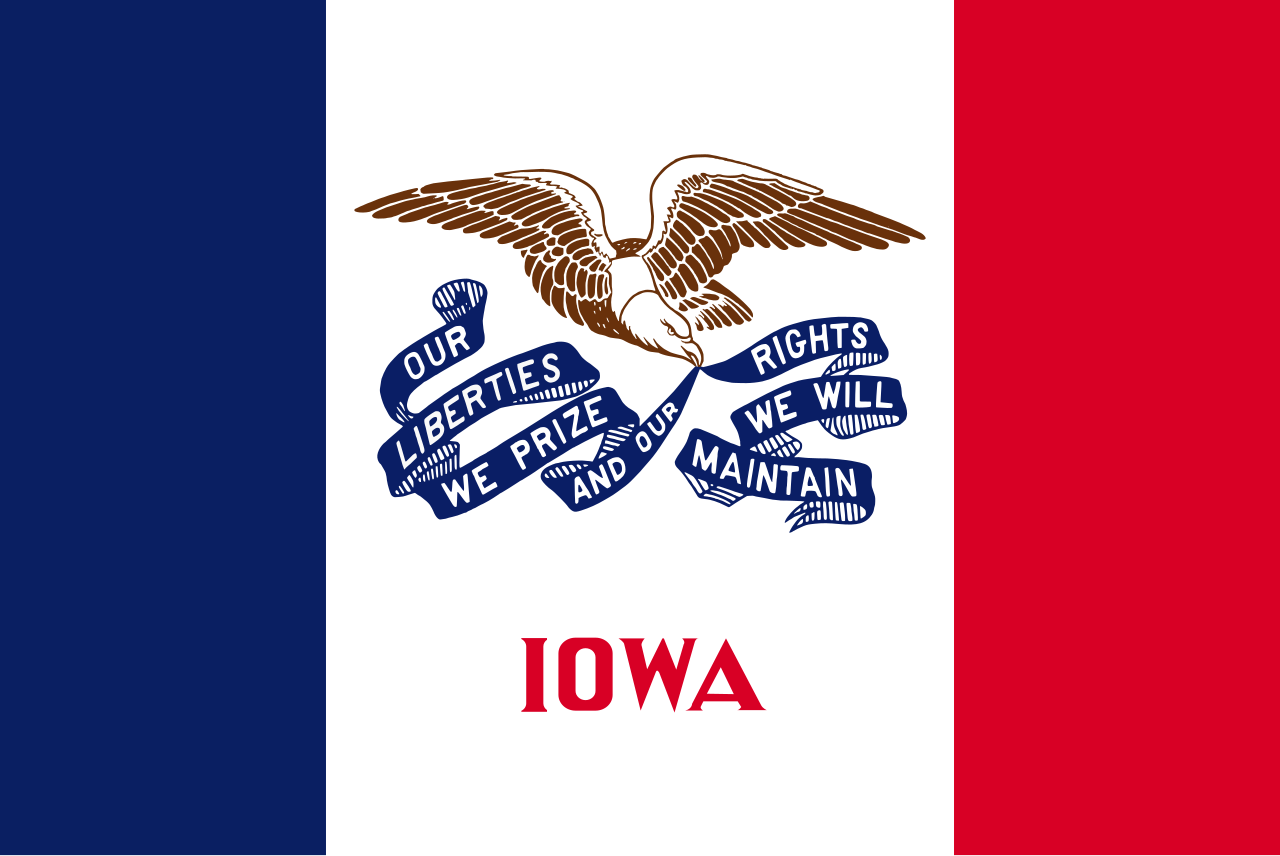
Iowa operates as a landlocked state situated in the upper Midwestern region of the United States, bordered by major waterways including the Mississippi and Missouri rivers. The state ranks as the 26th largest by total area and houses a population of approximately 3.19 million residents, with Des Moines serving as its capital, most populous city, and primary metropolitan hub.
The region's economic foundation traces back to the 18th and early 19th centuries when pioneers established a thriving agricultural base in the heart of the Corn Belt following the Louisiana Purchase. Over the latter half of the 20th century, this traditional agricultural landscape successfully transitioned into a diversified economy encompassing advanced manufacturing, biotechnology, green energy, and financial services.
Related Stories

Get the Latest Sports News from Seymour's Bird
Receive the latest updates on football, basketball,and technology news directly in your inbox. It's free!
SubscribePolitically and culturally, the state commands national attention primarily through the influential Iowa Caucuses, high voter turnout, and early leadership in civil rights. Historically, the area transitioned through French and Spanish colonial control before achieving official statehood in December 1846 as the 29th state admitted to the Union.
Modern communities across the state continue to celebrate their deep heritage through enduring traditions such as the annual Iowa State Fair, which has become a permanent staple of Midwestern culture in Des Moines. Balancing its rich pioneer history with progressive economic development, the region remains a vital pillar of the American heartland.
Historical Roots and American Expansion
Indigenous peoples originally inhabited the region for over 13,000 years, establishing complex societies, agricultural systems, and trade networks long before European explorers documented the territory. Early French explorers Jacques Marquette and Louis Jolliet first mapped portions of the area in 1673, claiming the land for France before ownership shifted to Spain in 1763.
The landmark 1803 Louisiana Purchase integrated the territory into the United States, prompting increased military presence and settlement along the major river valleys. Early frontier conflicts, including the Black Hawk War and subsequent treaty negotiations, reshaped the demographic landscape as Native American tribes were relocated while American pioneer families moved westward.
During the American Civil War, the state demonstrated unwavering support for the Union under Governor Samuel J. Kirkwood, contributing a remarkably high proportion of volunteer soldiers to military service. Troops from the region fought in critical campaigns across the Mississippi Valley and the South, earning widespread recognition for their sacrifice and dedication.
Following the conclusion of the Civil War, the population expanded rapidly as new towns, railways, and educational institutions were established across the flourishing prairie landscape. This period of rapid growth laid the institutional groundwork for the modern state economy and its prominent role in national affairs today.