
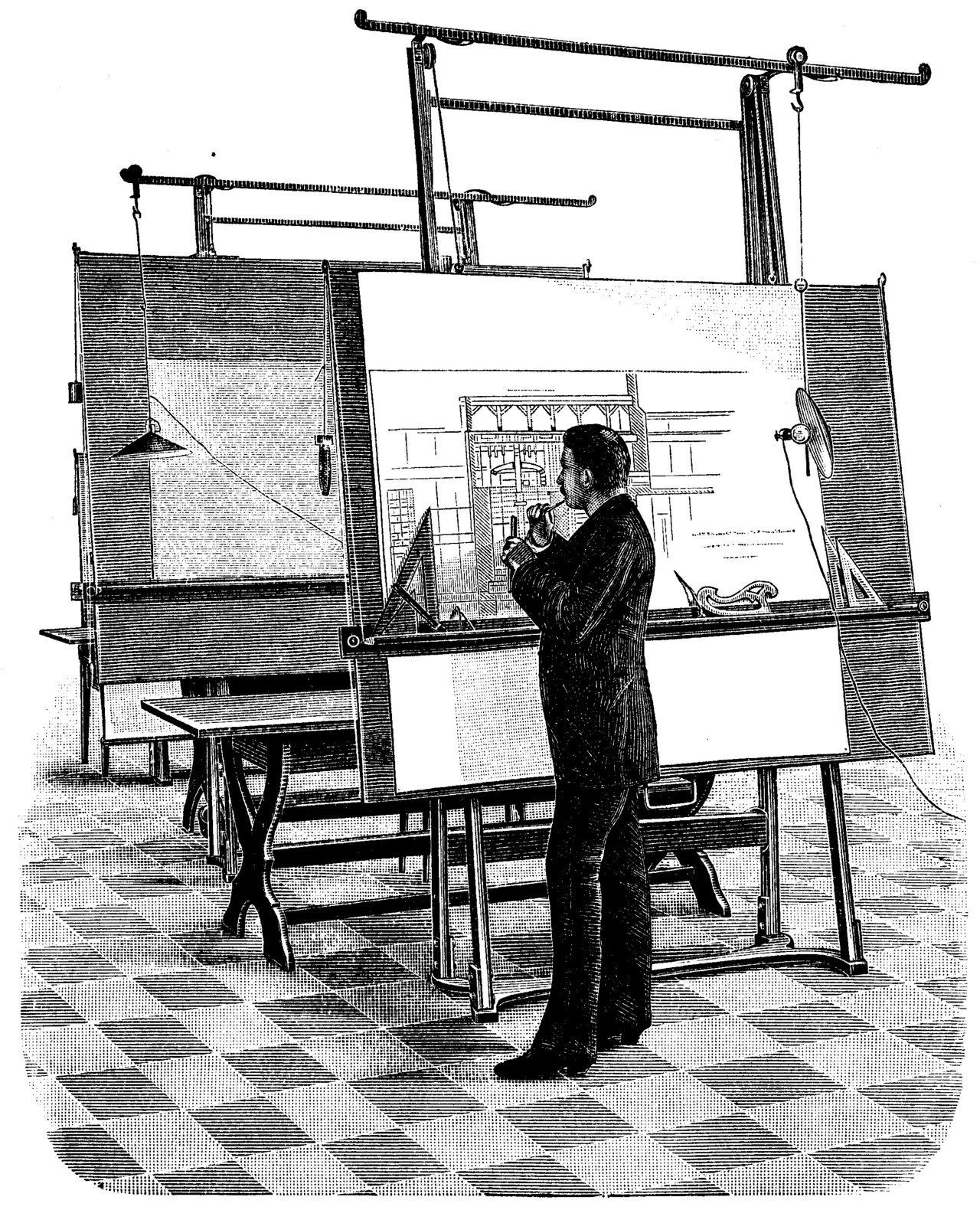
Designer roles have evolved significantly in modern industrial society, shifting from traditional artisan craftsmanship to complex, specialized professions that shape everyday products, services, and environments. At its core, a designer is someone who plans the form or structure of something before it is made, preparing meticulous drawings or plans to bring conceptual ideas into tangible reality for the general public.
"Unlike artists who create works intended to be understood or appreciated by a particular audience, designers focus heavily on conceptualizing and creating solutions for public consumption while still requiring a deep understanding of aesthetics," notes industry experts studying creative professions.
Related Stories

Get the Latest Sports News from Seymour's Bird
Receive the latest updates on football, basketball,and technology news directly in your inbox. It's free!
SubscribeThe increasing complexity of industrial design and the demands of mass production have transformed classical areas into smaller, highly specialized domains like landscape, urban, interior, industrial, furniture, and fashion design. Despite these diverse specializations across various industries, professionals within the field share common approaches, essential skills, and collaborative working methods.
Using modern design methods and strategic design thinking to resolve complex problems remains the most important aspect of being a professional creator today. A crucial part of any designer's job is to thoroughly understand the intended audience they serve to ensure optimal usability and market relevance.
Specialization and the Future of Design Thinking

Educational programs and teaching methods for aspiring creators vary widely across schools and fields of study, yet industry practices often rely on collaborative teams for large projects. These multidisciplinary teams typically comprise various types of specialists working together during the idea development and production processes.
The relationships between creative team members fluctuate based on the proposed product, production processes, or initial research, but they consistently provide opportunities for everyone to contribute meaningfully to the overall innovation and creation process.
Specialization within the design industry continues to expand as technology advances and consumer expectations shift toward highly customized experiences. Modern design professionals must navigate intricate production constraints while maintaining a high level of aesthetic and functional integrity.
"Design thinking has become an essential framework for organizations looking to innovate and solve multifaceted problems efficiently," says design strategist Elena Vance in an interview discussing industry trends.