
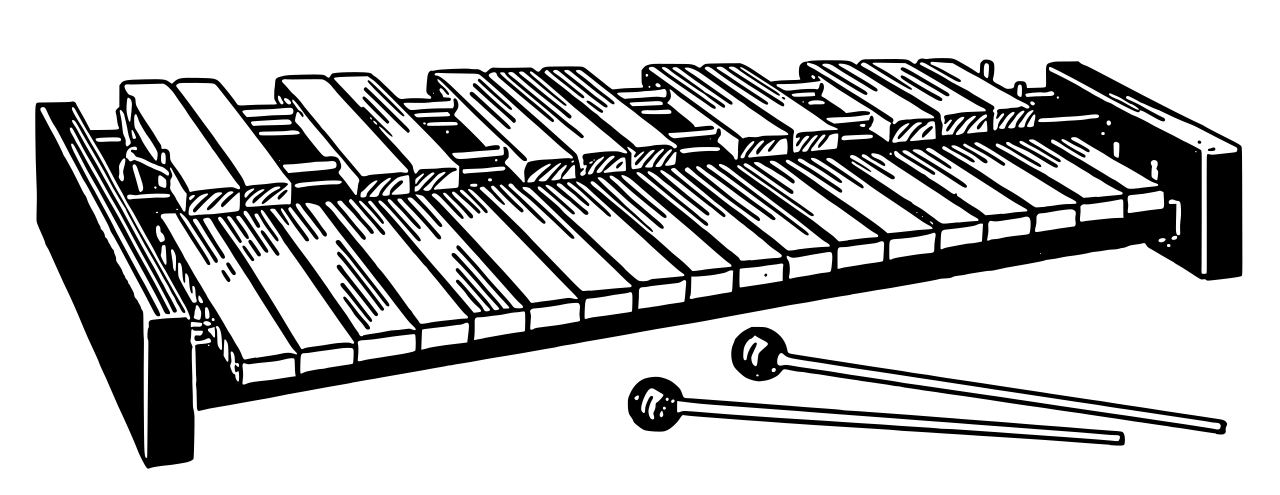
Xylophone history dates back centuries, with roots tracing across Southeast Asia and Africa before making its way into European classical music during the 19th century. Comprising tuned wooden bars struck by specialized mallets, this percussion instrument produces a bright, distinct sound that has captivated audiences globally.
Modern Western orchestral xylophones typically feature chromatic rosewood or synthetic bars mounted over tube resonators to enhance tone and projection. Unlike its deeper-toned relative the marimba, the concert xylophone offers a higher pitch range and a drier timbre favored by prominent classical composers.
Related Stories

Get the Latest Sports News from Seymour's Bird
Receive the latest updates on football, basketball,and technology news directly in your inbox. It's free!
SubscribeTraditional variants of the instrument flourish across the globe, including the gyil in West Africa, the balafon, and various gamelan-associated instruments in Indonesia like the gambang. These cultural iterations often utilize gourds or single trough bodies as natural acoustic resonators.
Educational settings and modern ensembles continue to embrace the instrument for its versatility and crisp articulation. From early jazz bands to complex orchestral masterworks by Shostakovich, the instrument remains a dynamic cornerstone of the percussion family.
Evolution and Global Impact of the Instrument
Global development of the instrument spans diverse continents, showcasing unique regional craftsmanship and musical traditions. In Mozambique, the gourd-resonated mbila accompanies sophisticated choreographed dances and historical narrative performances.
European classical introduction of the instrument occurred prominently in Camille Saint-Saëns's 1874 composition Danse Macabre, expanding its reach beyond traditional folk music circles. Virtuoso performers subsequently popularized its lively sound within early jazz bands and vaudeville acts.
Educational adoption in elementary schools familiarizes students with fundamental rhythm and pitch through diatonic versions of the instrument. Meanwhile, specialized wooden varieties continue to hold vital cultural significance in communities throughout Asia, Africa, and the Americas.
Contemporary percussionists ensure the continued vitality of the craft through innovative performances and cross-cultural collaborations. Organizations and festivals dedicated to world percussion traditions keep ancient wooden-bar techniques alive for new generations of musicians.